
Updated for 2026
General Party Procedures
CELEBRATION! The word has a joyful, almost magical sound. For some, it may conjure visions of New Year's Eve revelers. Others may think fondly of family and friends gathered around a Thanksgiving table or of children's birthday merriment. Whatever the reason for celebration, fellowship, food, and fun are sure to be part of it!
Celebration means good times, not just for guests, but for hosts as well. There's excitement, anticipation, and the pleasure of staging a special happening. The atmosphere of celebration is electric.
Theme parties are especially fun and easy to plan and develop. Once a theme is chosen, imagination has free rein. Ideas are everywhere! Of course, pre-planning for any party is imperative. A carefully prepared and well-executed event means less stress for hosts and ensures an enjoyable experience for all participants. A theme, a plan, preparation … and the party! For adults as well as children, these are the ingredients for celebration!
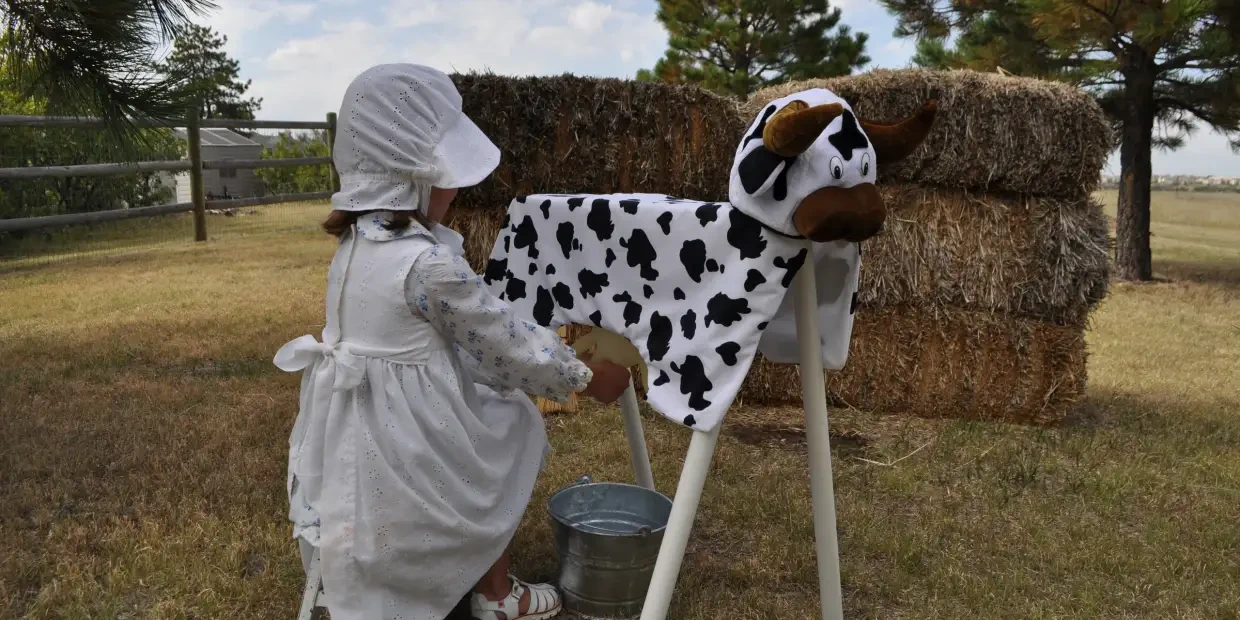
Planning the Party
Share the party with your children — involve them in as many ways as possible.
- Anticipation is as exciting as the celebration itself.
- Consult family members on all decisions.
- Consider opinions and feelings.
- Allow children to help create invitations, decorations, and more. Allow for imperfections — this is a valuable learning experience.
- Planning is a valuable learning experience.
Plan Ahead
- Choose the party theme.
- Decide on the date, time, and location. Determine the beginning and ending time. Be sensitive to nap times, school schedules, and family commitments.
- Surprise parties are of little value to children.
- Be sensitive to the availability of guests.
- Develop a guest list. For young children a good rule of thumb is to invite the same number of children as the age of the child — four years = four guests. Consider space, the kind of party, the theme, and the environment.
- For a more intimate gathering, it is important that the space is not too large.
- Advantages of your home: Secure and convenient. Gives confidence to the host and hostess. Supervision of children is easier.
- Advantages of the out-of-doors: More freedom. Less mess. Affords a setting for livelier kinds of games or activities. Consider weather contingencies and hybrid indoor-outdoor options.
Create the Invitation
Digital invitations are now the standard, with thoughtful physical options for special occasions.
- Use digital platforms such as Evite, Paperless Post, Punchbowl, Facebook Events, Google Calendar invites, or messaging apps. These allow easy tracking of responses and last-minute updates.
- Send digital invitations 7 to 14 days in advance. Request RSVP by a specific date.
- For traditional or heirloom-style events, hand-delivered or mailed invitations remain special. Avoid delivering physical invitations at school so that those not receiving one do not feel left out.
- Be imaginative. Digital templates, custom graphics, or hand-created designs work well. Include a QR code linking to the event page or a shared photo album.
- Include these essentials: date and day of the week, start and end times, location (with directions or a map link), theme, and any dress code or special instructions. Note that preschool parties should generally not exceed 1½ hours, and elementary-age parties about 2½ hours if a meal is included.
Budget
- Food remains the most expensive item, especially when purchased already prepared. Online grocery delivery and bulk options can help manage costs.
- Entertaining at home continues to cut many costs.
- Planning ahead and shopping online (with price comparison) reduces expenses. Consider reusable or sustainable partyware.
- Improvise with what you have. Digital tools such as shared spreadsheets or party-planning apps help track spending.
Developing a Checklist and Timeline
- Date, time, theme, and location
- Activities and backup plans
- Invitations and guest list (with digital RSVP tracking)
- Supplies and online shopping list
- Menus, recipes, ice, and dietary accommodations
- Partyware (consider reusable or eco-friendly options)
- Deadlines and shared digital calendar
- Decorations and lighting
- Cleanup plan
- Available help and assigned roles
Thinking of Your Guests
- Plan your party around the guest(s) of honor. Talk with them to learn about their hobbies, interests, and preferences.
- Prepare food that guests will like. Note dietary needs, allergies, and preferences in advance.
- Have all details of the party finished well ahead of the party time. A relaxed host will enjoy the party.
- Make a party schedule, but let it be flexible. Share a simple timeline digitally with helpers.
- If you need extra help, ask a competent teenager or trusted friend.
- Be sensitive to age, personality, accessibility needs, and comfort levels of guests.
- If guests include children and adults, provide activities for both.
- Have sufficient quantity and variety of beverages, including non-alcoholic and allergen-friendly options.
- Clear tripping hazards, extension cords, antiques, and breakables the day before guests arrive.
- Provide a take-home favor when appropriate. This eases the party letdown for children.
- Remember: plan ahead — a relaxed host will be more at ease with guests.
Organizing Games & Activities for Young Children
- Organization of preschoolers should be kept at a low level. They are not capable of elaborate teamwork and are not interested in competition. They are not able to wait in line.
- Game formations must be simple: circles and free formations. Keep rules to a minimum and directions simple.
- Games and activities should appeal to individual achievement rather than group or team achievement.
- Guidelines, rules, and restrictions are important for cooperative behavior and a successful party. Children need structure.
- Reach children at their own level verbally and physically. Incorporate simple sensory or movement activities.
Organizing Games & Activities for All Ages
- Arrival should be a time to familiarize and explore. Activity should be unstructured and relaxed.
- Any treasure hunt needs well-defined boundaries, especially indoors. Digital scavenger hunts can add variety.
- Use a treasure hunt to hide articles needed for another activity.
- Keep everyone busy, entertained, and having fun. Have backup activities ready, including indoor options for weather.
- Keep the length of games short but long enough to be interesting. End when everyone is still having a good time.